
The 2026 World Cup has not waited for kickoff to become part of summer. With Shakira and Burna Boy releasing the official 2026 FIFA World Cup anthem and a first-ever final halftime show announced for July 19, the tournament is already behaving like a month-long culture event. For many adults, following it will be less about watching isolated matches and more about choosing which moments deserve time, friends, screens, and energy.
A Tournament That Starts Before Kickoff
A World Cup song does more than fill time before a ceremony. It gives the tournament a mood before the first whistle, turning national teams, cities, watch parties, and casual conversations into part of the same shared season. This year, the mix of Latin pop, Afrobeats, and global names makes the event feel less like a fixture list and more like a summer soundtrack.
That matters for adults who want leisure to feel intentional. A tournament this large can easily become background noise, especially when every phone, platform, and group chat is ready to push another clip. Treating the World Cup as a ritual means deciding when to be fully present instead of trying to keep up with every update.
From Match Viewing to Social Planning
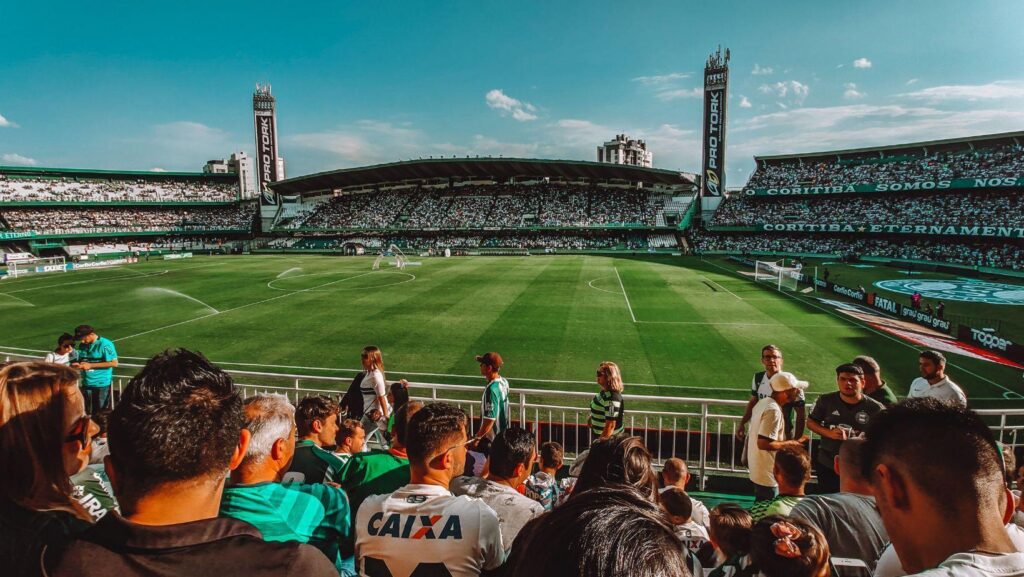
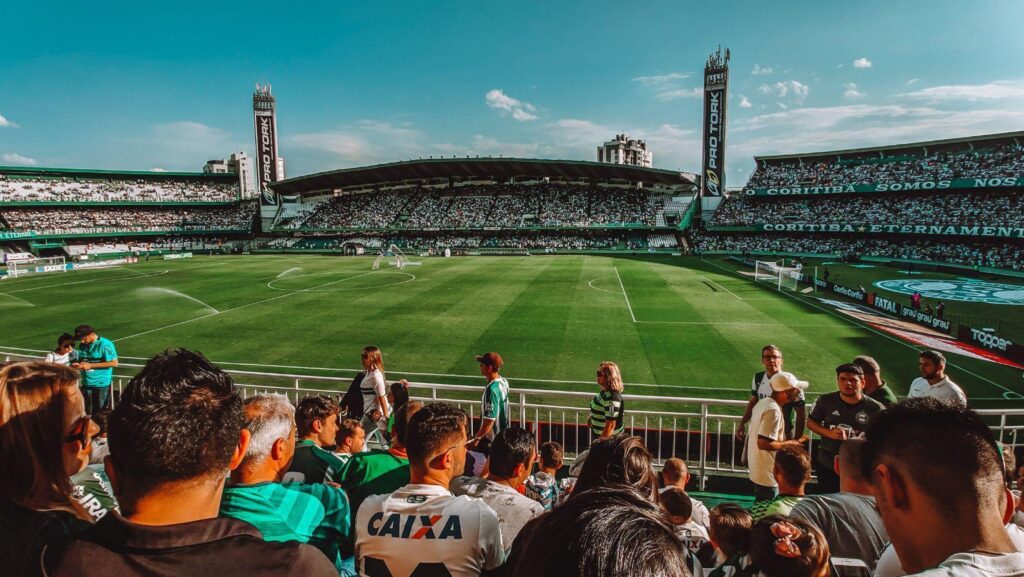
Modern sports viewing is rarely just the match. There is the place where people gather, the playlist before kickoff, the food, the messages from friends in other time zones, and the small routines that make a game feel different from an ordinary evening. The World Cup concentrates all of that into a few weeks.
For some people, the best version will be a busy fan zone or a crowded bar. For others, it may be a quieter night at home with one carefully chosen game. Neither option is more authentic. The point is to build a setting that fits the energy available that day, rather than letting the size of the event dictate the pace.
The Adult Ritual Around Game Day
The same planning instinct often shows up in how adult supporters read the sporting side of the tournament. Before a major match, fans look at lineups, travel schedules, group-stage pressure, injuries, knockout routes, and the mood around certain players. It is not only about who they want to win; it is about understanding why a game feels tense, open, cautious, or unpredictable.
In that adult context, world cup betting can sit within the broader pre-match routine, alongside reading team news, comparing fixtures, and following how public expectations shift as the tournament moves from group play to elimination rounds. Kept in proportion, it is one more lens on the rhythm of the competition, not the whole reason to watch.
That distinction is important. The strongest rituals usually have boundaries: a match worth watching closely, a budget for the night, a plan for getting home, and a point where the phone goes down. When leisure has a frame around it, the event can feel exciting without taking over the rest of life.
Keeping the Summer From Feeling Too Loud
A global tournament can create a pleasant kind of anticipation, but it can also make the digital environment feel crowded. Clips, reactions, predictions, memes, and live updates all arrive at once. PonderShort has already explored the value of protecting emotional well-being in the digital age, and the same idea applies to a sports-heavy summer.
One practical approach is to choose the moments that genuinely matter. Pick the matches, gatherings, songs, or final-week events that feel worth attention, then let the rest pass by without guilt. The World Cup is big enough to offer many entry points, but no one has to experience all of them to enjoy the season.
Conclusion
The 2026 World Cup is shaping up as a summer ritual because it reaches beyond sport into music, social plans, screens, and adult leisure habits. That wider atmosphere can be fun when it is chosen with care. The best version is not the loudest or most crowded one, but the one that leaves space for attention, rest, and a clear sense of why the moment feels worth joining.