
Have you ever asked yourself, “How can I shift my pet to a new food softly and comfortably?”
Many pet owners ask this question in their minds when they plan to move their pet from one routine to another. A smooth change in food keeps your pet happy, relaxed, and well-settled.
When the change is done with calm steps, pets accept new food with a cheerful mood and enjoy their meals without any worry.
Understanding the Value of a Slow and Calm Change
A slow and gentle shift helps your pet feel settled. When you move from one food to another, the idea is to keep the change light and steady.
Right after this short note, the next part will explain simple steps in an easy tone.
After this point, the brand name will not be used again, keeping the writing simple and clean.
Starting With a Small Mix
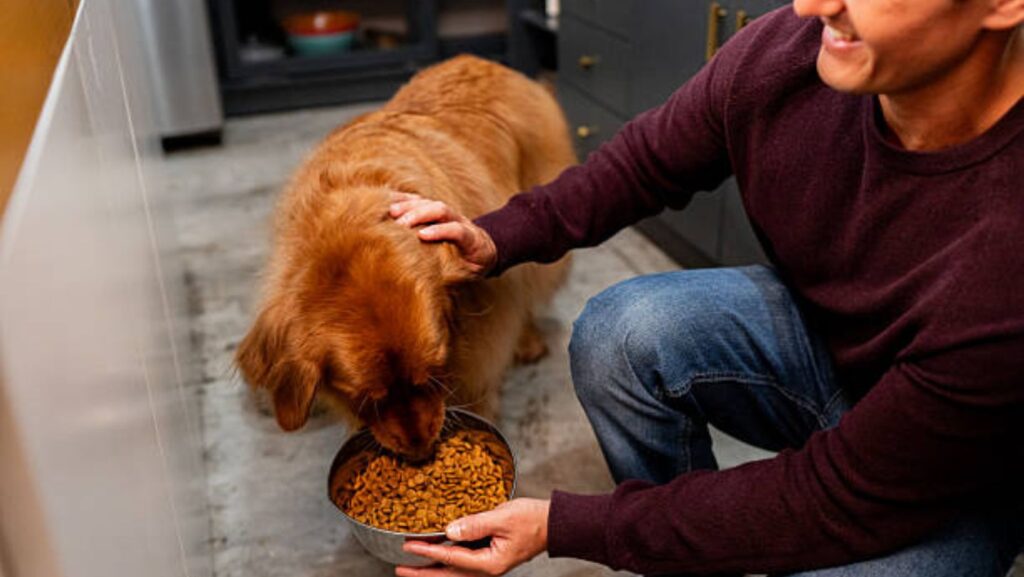
In the beginning, most pet owners like to add a tiny portion of the new acana dog food along with the food their pet already enjoys. This helps the pet feel familiar with the taste and smell.
A small mix keeps the experience smooth and friendly for the pet. They get used to the new food in a natural way, and each day feels calm for them.
Gradually Increasing the Amount
Once your pet feels fine with the small mix, you can slowly add a little more of the new food each day. This steady change keeps the taste familiar while introducing something fresh.
Pets respond nicely to this simple method because nothing feels sudden. As you increase the portion, your pet starts understanding the new flavor and accepts it with comfort.
Keeping Your Pet’s Routine Light and Easy
A peaceful eating routine helps pets stay relaxed. If you follow a fixed time daily, your pet gets a smooth sense of rhythm. This rhythm builds trust, and the change feels simple. Your pet enjoys the food with a happy mood and a calm mind.
How Your Pet Adapts During the Process
Your pet’s comfort remains the main focus. A slow shift helps your pet stay cheerful and active. After this quick explanation, the next sub-sections will help you understand small hints your pet might show during this simple change.
Signs of Comfort
When the food changes are steady, pets act in a friendly way. They show signs like relaxed body language, playful mood, and steady interest in meals. These small hints show that your pet is settling well with the new routine.
Keeping Hydration Steady
Water plays a key role in any food, and also in dog treats. Make sure your pet has fresh water nearby at all times. Pets enjoy their food calmly when they also have enough water to sip throughout the day. This keeps their comfort level high and their routine smooth.
Staying Close to Your Pet During Mealtime
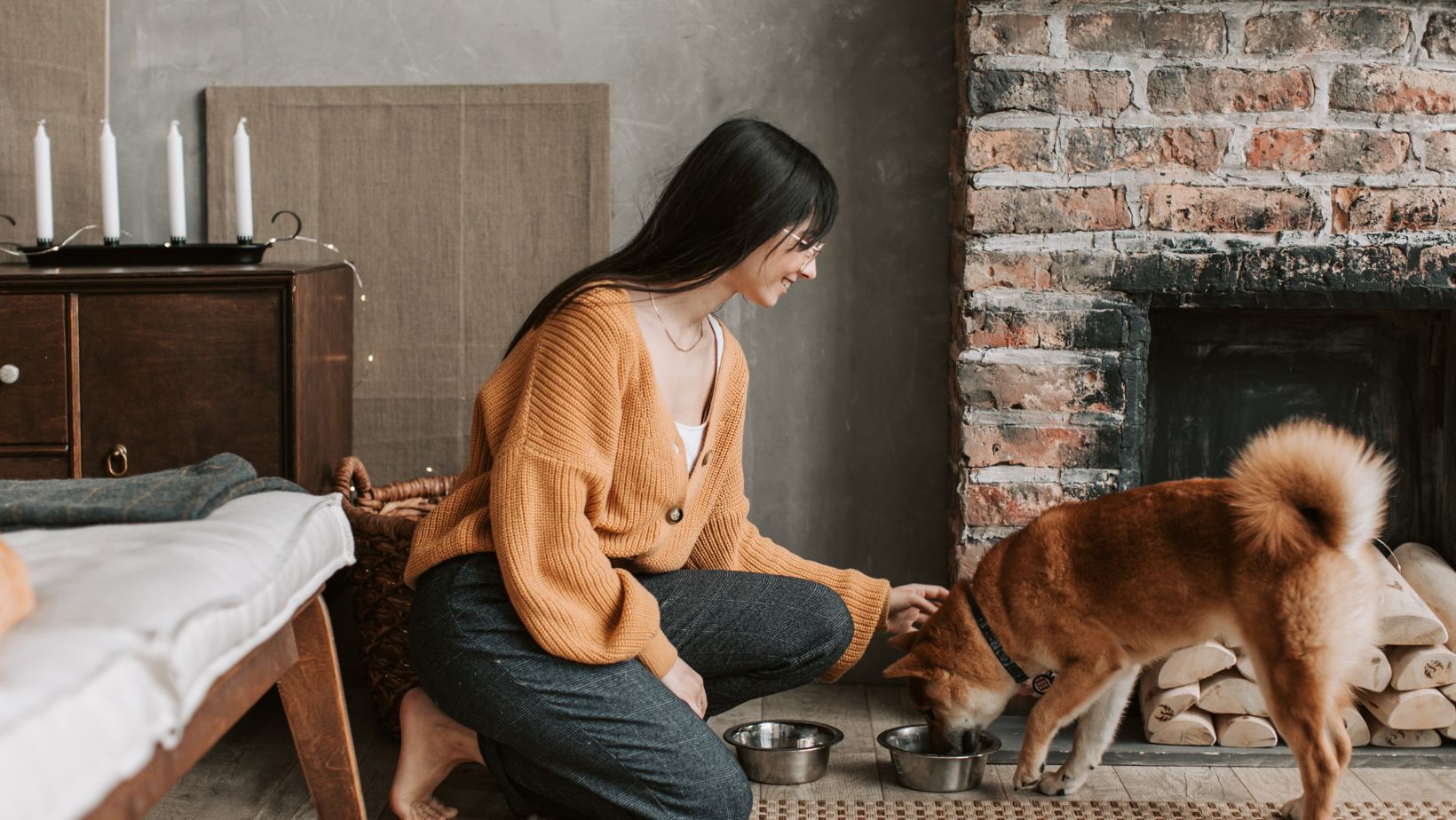
Pets truly enjoy a sense of closeness. Sitting near them during meals builds comfort. The familiar presence of the owner makes pets feel safe and relaxed. They enjoy the new taste with more confidence because they feel supported.
Balancing Food Portions in a Simple Way
Portion balance helps the shift stay soft. A steady balance of old and new food brings comfort to the pet and keeps their mood light. After this note, the next part explains how to maintain that balance in daily meals.
Small Steps Work Best
Small daily adjustments help your pet understand the change. When the shift is steady, pets feel the comfort of familiar taste while enjoying the fresh part of the meal. These tiny steps help them accept the new routine with a calm mind.
Keeping Track of Your Pet’s Mood
Pets give small signs that show how they feel. Their energy, playful nature, and relaxed posture help you know that they are enjoying the change. Watching these simple hints helps you continue the process confidently.
Adjusting Based on Daily Observation
Every pet is unique. Some adapt quickly, while others like a slightly slower shift. By observing your pet each day, you can adjust portions in a smooth way. This flexibility keeps the process peaceful for both you and your pet.
Supporting Your Pet With Routine and Comfort
Routine plays a helpful role in any change. When mealtimes stay steady, pets feel a rhythm they enjoy. Right after this, you’ll see how simple habits help your pet accept the new food smoothly.
Giving Your Pet a Calm Eating Spot
A quiet space helps pets enjoy meals better. When the surroundings stay calm, pets focus on their food without distraction. A peaceful spot also makes them feel comfort and warmth while they eat.
Offering Light Praise
Pets love hearing gentle words from their owners. Light praise during mealtime makes the experience joyful. This small affection adds confidence and encourages them to enjoy their food calmly.
Creating a Warm Emotional Bond
A strong bond helps pets feel secure in every part of their routine. This bond brings trust and helps them accept new changes in food with a relaxed heart. When pets feel connected to their owners, they happily accept new flavors.
Long-Term Comfort With the New Food
Once the shift is complete, your pet can enjoy the new routine without any worry. This final part explains how to keep that comfort steady in the long term.
Keeping Mealtime Positive
A relaxed and friendly vibe around meals keeps pets cheerful. When your pet relates food time with calmness and comfort, they maintain steady interest in their meals.
Observing Energy Levels
Pets show their happiness through playfulness and light activity. When they enjoy their food well, they stay active and bright. Observing their lively behavior helps you know the routine is supporting them well.
Maintaining Consistency
Consistency helps pets stay confident. When food, water, and mealtime stay steady, pets enjoy their daily routine with ease. This comfort builds balance in their lifestyle and keeps their mood cheerful.
Simple Table for Understanding the Whole Transition Flow
Below is a small explanation in table form that shows how the change usually moves step by step in a calm and steady way.
| Step | Action | Purpose |
| Start | Tiny mix with the current food | Helps pet feel familiar |
| Middle phase | Slowly increase the new portion | Builds comfort and taste acceptance |
| Final phase | Full portion of new food | Pet adapts fully to the new routine |
Closing Thoughts
Calmly changing your pet’s food brings a happy and relaxed shift. With small steps, steady portions, and daily observation, your pet accepts the new food in a friendly manner. A peaceful eating routine, fresh water, and warm support from you help the entire process feel simple. Over time, your pet enjoys the new food with comfort, confidence, and a cheerful mood.