From Hunger To Hope: Practical Steps To End Food Insecurity In Your Community (2026)

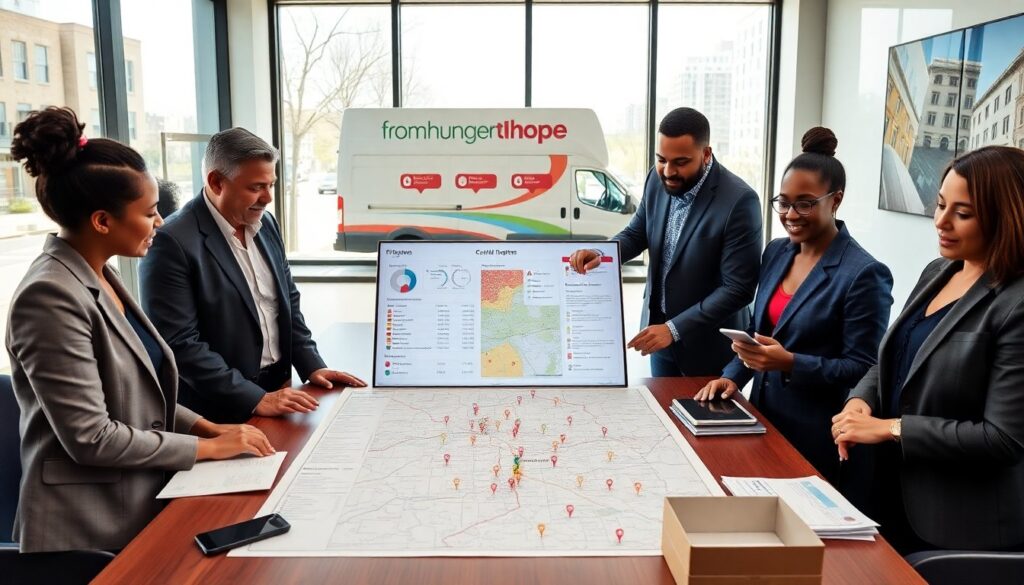
fromhungertohope names a local campaign that aims to reduce food insecurity. The initiative sets clear goals and measurable actions. It asks communities to map need, coordinate groups, and track results. It focuses on practical steps and data. It offers a plan that people can follow, replicate, and improve. It shows how small actions add up to system change.

Key Takeaways

  • fromhungertohope offers a data-driven local campaign to reduce food insecurity by mapping needs and coordinating community efforts.
  • Addressing food insecurity requires tackling interconnected causes like poverty, housing costs, and food deserts through integrated wage, access, and supply strategies.
  • Mapping hunger using simple tools and clear metrics helps communities target resources effectively and track progress monthly.
  • Practical actions include expanding food access points, increasing income through benefits and job support, and reducing food waste with better supply coordination.
  • Coordinating services with shared data and forming coalitions ensures efficient resource use and stronger impact measurement.
  • Sustained success depends on community leadership involvement, stable funding, advocacy, and public reporting to build hope from hunger.

Why Food Insecurity Persists Locally And Globally

Food insecurity persists because systems fail people. Poverty limits access to food. Unstable jobs reduce income and increase risk. Housing costs push food off budgets. Food deserts limit healthy choices in many neighborhoods. Climate shocks reduce crop yields in some regions. Supply chain disruptions raise prices and create gaps. Policy gaps leave programs underfunded. Stigma and transportation barriers stop people from using help.

Common Causes And How They Interact

Causes often occur together and worsen outcomes. Low wages combine with high rents to cut household food spending. Poor transit and few stores combine to create food deserts. Weather shocks reduce local harvests and increase prices, which hurts families already low on savings. Policy gaps reduce the safety net when shocks occur. They leave service providers short on funds and volunteers. fromhungertohope treats causes as linked problems. The campaign sets priorities that address wage support, access, and supply stability together. It pushes for data-driven policy fixes and local partnerships. It asks organizations to share data to spot overlap and target help where need is highest.

Assessing Needs: How To Map Hunger In Your Community

Mapping hunger starts with simple data collection. The group gathers information on income, food access, and local resources. Volunteers collect household counts and note transportation barriers. The group records store locations, food bank hours, and program wait lists. The map shows where help falls short.

Simple Tools And Metrics To Start Today

They use clear metrics to measure need. Metrics include household food insecurity rates, SNAP participation, and child meal gaps. They track emergency food visits and hospital visits related to nutrition. Low-cost tools like spreadsheets, surveys, and open-source maps work well. They add location tags to show service deserts. They plot school free-meal rates and local unemployment. fromhungertohope recommends monthly updates. The team uses short surveys at distribution sites to check changing needs. They share results through simple dashboards and public maps. Local leaders then use maps to place mobile pantries, extend hours, or add transit stops. Mapping helps funders see impact and fund targeted programs.

Practical Strategies To Move From Hunger To Hope

Communities can apply clear strategies to reduce hunger. They expand access, increase income, and improve food systems. They coordinate across agencies and track results.

Increase Access

They open more distribution points and add flexible hours. They place pantries near transit and schools. They support mobile markets and deliver groceries to homebound people. They link food programs to health centers to reach more clients. fromhungertohope encourages pre-packed and culturally appropriate options to reduce waste and increase use.

Raise Income And Benefits

They push for living wages and hire locally for food programs. They help residents enroll in SNAP and other benefits. They run tax credit clinics and job-readiness workshops. They connect families to child care so parents can work. They track benefit uptake and follow up to keep people enrolled.

Reduce Waste And Improve Supply

They rescue surplus food from grocers and restaurants. They set up hub kitchens to convert surplus into shelf-stable items. They partner with farms to source imperfect produce. They coordinate donations to match demand and reduce overflow. fromhungertohope builds simple logistics plans so food reaches people faster.

Coordinate Services And Data

They form local coalitions that meet monthly. They share client counts and distribution schedules. They adopt common intake forms to avoid duplication. They use the shared maps from earlier to spot overlaps. They set clear roles for each partner and assign tasks. They measure success with the same metrics.

Build Long-Term Policy And Funding

They advocate for local budget lines that support food access. They present mapped data to city councils and grant makers. They support school meal expansions and weekend meal packs. They ask for stable contracts so providers can plan. fromhungertohope trains volunteers in advocacy and data presentation.

Measure Impact

They set targets for reduced emergency visits, increased benefit use, and fewer skipped meals. They report results publicly and adjust actions based on data. They celebrate small wins to keep volunteers and funders engaged. They scale successful pilots to more neighborhoods.

Sustain Community Power

They invite residents to lead programs and decision making. They pay people with lived experience to advise operations. They build local leadership pipelines and keep the work visible. They treat community members as partners, not just clients. fromhungertohope frames success as stable access, rising incomes, and stronger local networks.

Scroll to Top