
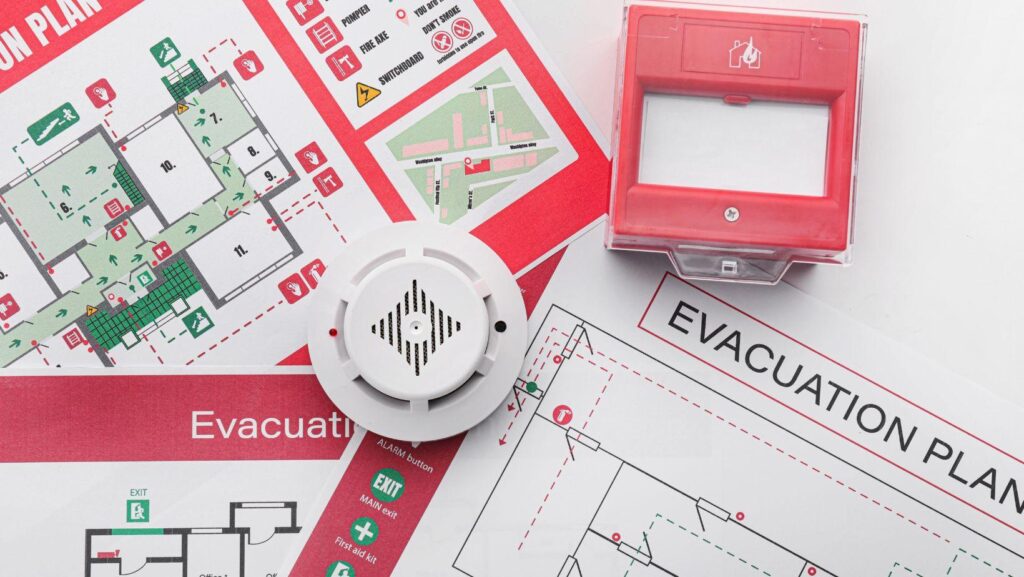
Rapid industrial scaling and commercial expansion place severe demands on emergency response readiness. Business owners must implement proactive workforce safety protocols to protect employees and manage corporate liability. Enrolling teams in accredited, WSIB-approved training programs ensures full statutory compliance while establishing a resilient safety culture capable of handling cardiac emergencies in high-velocity operational environments.
Watching a local business community expand is incredibly exciting. New warehouses open, corporate offices expand, and hiring surges. But rapid commercial growth forces business owners to face massive operational risks. As your headcount rises and your facilities scale, the likelihood of an on-site medical emergency increases. Smart managers do not wait for an accident to happen before updating their emergency response plans. Instead, they protect their growing workforce by booking certified Brampton CPR courses to keep their teams fully compliant.
Prioritizing medical readiness does more than insulate your brand from heavy regulatory fines. It creates a deeply responsible corporate culture where employees feel genuinely safe coming to work every single day.
How Does Commercial Scaling Impact Workplace Safety Risks?
When a logistics hub or manufacturing plant doubles its floor space, its internal dynamics change completely. You have more forklifts moving through aisles, higher production quotas, and hundreds of new employees working rotating shifts. The environment becomes significantly faster and more complex.
In a high-velocity workspace, a sudden cardiac arrest or an industrial injury is a massive crisis. If an employee collapses on a crowded warehouse floor, the initial confusion can easily cause panic. If nearby workers do not know how to react instantly, precious minutes are lost forever.
Brain damage begins just four minutes after the heart stops beating. You cannot simply rely on outside emergency services to arrive in time when your facility is buried deep inside a sprawling industrial park.
Why Are WSIB Safety Requirements So Strict for Growing Firms?
In Ontario, the Workplace Safety and Insurance Board (WSIB) enforces uncompromising rules regarding emergency preparedness. Under Regulation 1101, every single business must have trained first aid personnel on duty during all working hours.
The state does not accept the excuse that your business grew too quickly to keep up with administrative paperwork. If a provincial inspector conducts a surprise audit and finds your shift supervisors hold expired certification cards, your company faces severe financial penalties.
The compliance rules scale alongside your headcount. A business with five employees has different safety obligations than a company with fifty. HR directors must actively track these shifting thresholds to keep the organization fully protected against liability.
How Do Proactive Training Protocols Minimize Corporate Liability?
When a serious medical incident occurs on commercial property, a thorough legal investigation follows immediately. Investigators look at whether the employer took reasonable, documented steps to protect their staff. If your business cannot prove it met local safety mandates, the financial liability can be entirely devastating.
Maintaining an active pool of certified safety responders acts as a powerful legal shield. It documents your firm’s ongoing commitment to occupational health.
This level of preparation completely refutes claims of corporate negligence. It shows insurance adjusters, labor boards, and legal teams that your business operates with the highest ethical and legal standards.
Can a Strong Safety Culture Boost Employee Retention?
Absolutely. Workers are highly observant. They know exactly which employers treat them like numbers and which ones truly value their physical well-being.
When a company invests real time and capital into comprehensive emergency upskilling, it sends a clear message across the entire organizational ladder. It builds deep internal trust. Employees work with much higher confidence when they know their cubicle neighbor or line supervisor is fully capable of saving their life during a sudden medical crisis.
Why is Blended Learning Ideal for Fast-Paced Businesses?
Pulling twenty operations managers or assembly workers away from their daily tasks for a multi-day safety seminar is a scheduling disaster. It halts production lines and harms your quarterly output.
Blended learning programs solve this corporate challenge entirely:
- Online Theory: Employees complete the required reading, instructional videos, and quizzes online from their own desks, moving entirely at their own speed.
- In-Class Practical: The team attends a brief, highly focused physical testing session to demonstrate correct chest compressions and AED usage.
This hybrid approach minimizes operational downtime. It allows your growing business to maintain perfect regulatory compliance without stalling its daily commercial momentum.
Keeping these life-saving skills sharp is a non-negotiable requirement for any growing business. If you are looking for first aid training near the downtown core, the Queen Street East commercial area, or other areas close to our facility, then you may reach out to Coast2Coast First Aid/CPR – Brampton in that area.
Frequently Asked Questions
1. How many certified first aid responders does my growing business legally need? The exact number depends on your total employee headcount per shift. Under WSIB Regulation 1101, you must have at least one certified responder immediately available on the floor at all times during operational hours.
2. What happens if a worker suffers an injury and no certified responder is on-site? Your business will face severe legal consequences, including heavy fines from provincial labor boards. Your workers’ compensation claims can be denied, and your company opens itself up to massive civil negligence lawsuits.
3. Are online-only CPR certificates acceptable for corporate compliance? No. Workplace safety boards require a physical, in-person skills assessment under the direct supervision of a certified instructor. Fully digital courses do not meet the mandatory legal standards for workplace safety.
4. How long do corporate first aid and CPR certifications remain valid in Ontario? WSIB-approved certifications are valid for three years from the date of issue. Employers must ensure their staff completes an official refresher or recertification course before that three-year window closes.
5. Can on-site group training be customized for specific industrial hazards? Yes. Private corporate training sessions allow certified instructors to bring mannequins and AED trainers directly to your facility. They can tailor the emergency scenarios to match the exact physical layout and operational risks of your workplace.